
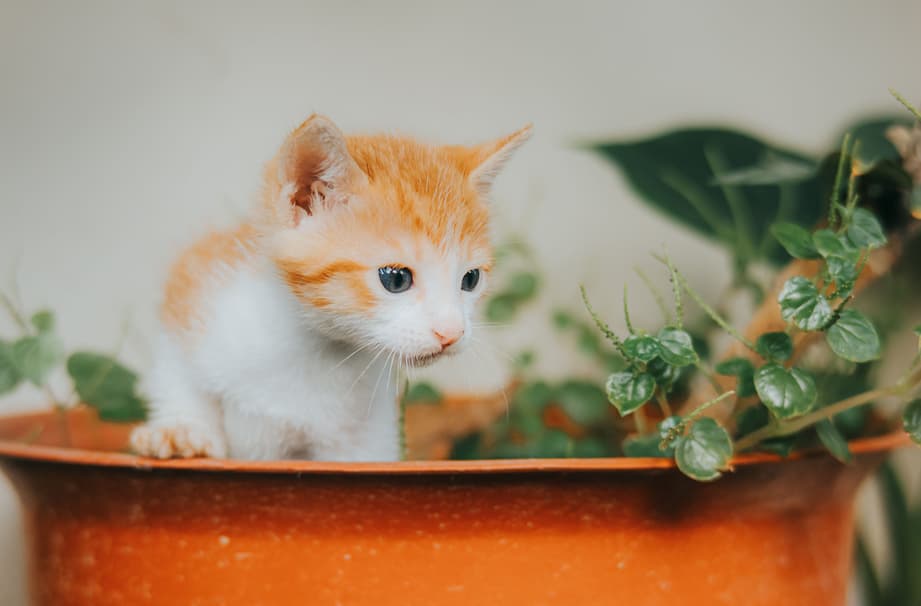
Many plant parents researching how to stop pets from eating plants assume that buying an indoor plant labeled as non-toxic is the final step in creating a harmonious, green home. However, as any cat or dog owner quickly learns, non-toxic does not mean non-destructible.
While popular choices like the Spider Plant or a lush Majestic Palm won’t poison your furry companions, your pet can easily destroy months of healthy, careful plant growth in a single afternoon of digging, chewing, or playful swatting. Furthermore, ingesting large amounts of any fibrous plant matter can trigger dietary upset, vomiting, and mild diarrhea in domestic animals.
While it is absolutely vital to recognize the 21 Dangerous Indoor Plants Every Pet Owner Should Avoid, learning how to manage your pets’ behavior around your safe greenery is the true secret to maintaining a thriving indoor jungle.
This guide provides a practical behavioral approach to indoor gardening with animals, exploring why pets target specific greenery and outlining actionable, physical strategies to protect your collection.
The Psychology of the Chew: Why Pets Target Safe Plants
To stop plant destruction, you must first understand the sensory triggers driving your pet’s evolutionary behavior:
• The Moving Target (Cats)
Plants with long, dangling leaves—such as the classic Spider Plant or the cascading frills of a Boston Fern—mimic the subtle movement of outdoor prey. When air conditioning currents, ceiling fans, or indoor breezes move these leaves, it triggers a cat’s predatory instinct to swat, bite, and pull.
• The Textural Craving (Dogs and Cats)
Broad, crunchy, or glossy leaves satisfy a structural behavioral need to chew. This is especially prevalent in teething puppies looking to soothe sore gums, or bored indoor cats craving environmental enrichment.
• The Mild Hallucinogenic Effect
Interestingly, Spider Plants contain chemical compounds structurally similar to catnip. If your cat obsessively targets your spider plantlets, they may actually be seeking the mild, harmless, and brief euphoric buzz the plant provides.
Three Structural Ways to Separate Pets and Safe Greenery
If you have a persistent pet, relying on behavioral training or vocal commands rarely works when you leave the house. You must design your indoor plant layout defensively.
• Vertical Stratification and Heavy Ceramic Anchors
For lightweight plastic nursery pots, a playful dog tail or an energetic cat jump can cause a massive soil spill, severely stressing the plant’s delicate root system.
• The Fix: Transition your pet-friendly plants into heavy, wide-based ceramic, cement, or terracotta pots that cannot be easily tipped over.
• The Placement: Utilize high wall-mounted floating shelves or ceiling hooks. Ensure that wall shelves holding safe plants are not placed near “launchpad” furniture—such as the tops of refrigerators, sofas, or bookshelves—that agile cats can use to bridge the gap.
The Soil Barrier Technique
Dogs and cats are naturally drawn to exposed, moist topsoil. Dogs may dig out of boredom or a desire to bury prized possessions, while cats may mistake large indoor planters for alternative litter boxes.
• The Fix: Cover the exposed soil of your large potted floor plants with a thick layer of large, smooth river stones or decorative gravel. Avoid using small pebbles that miniature dog breeds might accidentally swallow. This physical barrier prevents digging and completely eliminates access to the soil.
Strategic Plant Sacrifices (Divergent Curation)
Sometimes the most effective way to save your prized collection is to give your pets a dedicated plant of their own while keeping your core decorative elements out of reach. If you are still building your safe collection, look through our foundational guide on 12 Pet-Friendly Indoor Plants Safe for Cats and Dogs to choose durable varieties.
• The Fix: Grow a small container of fresh organic wheatgrass (commonly sold as “Cat Grass”) or specialized pet-safe herbs like rosemary and mint at floor level. Place it directly next to their food bowl or favorite resting spot. Praise your pet when they chew this specific greenery, which naturally diverts their attention away from your decorative indoor plants.
Safe Repellents: Deterring Pets Without Damaging Leaves
When physical separation isn’t completely possible, you can utilize sensory deterrents. However, many commercial chemical repellents contain harsh additives that can strip the protective cuticles of delicate tropical foliage. Try these natural, plant-safe alternatives:
• The Citrus Barrier: Cats and dogs possess highly sensitive olfactory glands and naturally detest the sharp, acidic scent of citrus. Place fresh orange, lemon, or grapefruit peels directly on top of your soil barrier.
Alternatively, lightly mist the outer rim of the plant pot with a heavily diluted mixture of lemon juice and water. Do not spray acidic juice directly onto the leaves, as it can cause foliar burning under bright indoor lighting.
• The Scent of Rosemary: While rosemary is entirely non-toxic to pets, its pungent aromatic oils act as a natural deterrent. Placing small pots of live rosemary around your more vulnerable, delicate safe plants creates an olfactory shield that animals prefer to avoid.
Quick Reference: Managing Common Safe Plants
Pet-Friendly Plant Primary Behavioral Risk Recommended Defense Strategy
Spider Plant High cat chewing due to movement and catnip-like properties. Display strictly in high hanging ceiling baskets.
Majestic Palm Dog tail damage; cats shredding lower fronds. Place on elevated, sturdy plant stands out of high-traffic paths.
Boston Fern Messy leaf drop if swatted or pulled down. Utilize wall anchors or high floating shelves.
Calathea Varieties Crispy leaf tips from casual pet licking or nibbling. Keep clustered on a high humidifier shelf out of reach.
FAQs (Frequently Asked Questions)
1. Can the fertilizer or potting soil I use for my pet-safe plants still make my pet sick?
Yes. Even if a plant’s leaves are 100% non-toxic, standard commercial fertilizers (especially organic ones like blood meal, bone meal, and fish emulsion) naturally smell like food to dogs and cats. If ingested directly from the soil, these fertilizers can cause severe gastrointestinal distress, pancreatitis, or bowel obstructions.
Always use pet-safe, synthetic liquid fertilizers or fully bury your organic amendments deep within the pot beneath a heavy river rock stone barrier.
2. My pet keeps licking the water draining out of my plant pots. Is this dangerous?
Yes, this can be hazardous. The runoff water collecting in drainage saucers contains concentrated leaks of salts, fertilizers, and potential soil-born bacteria or fungi. Drinking this stagnant “plant drainage cocktail” can cause vomiting or chemical upset in small pets. Always dump your drainage trays immediately after watering your plants, or use enclosed self-watering pots that block pet access to the water reservoir.
3. Will my pet’s constant licking or heavy saliva kill a plant leaf even if they don’t bite it?
Yes, over time it can. Mammalian saliva contains active digestive enzymes and bacteria. When a dog or cat repeatedly licks or rubs their mouth against a leaf to mark their territory, it breaks down the leaf’s protective waxy cuticle. This makes the foliage highly susceptible to secondary bacterial infections, yellow spot diseases, and fungal rot, causing the targeted leaves to eventually die off.
4. If my cat completely strips all the leaves off a safe plant like a Pothos or Spider Plant, will it grow back?
Yes, if the root system is healthy. If a non-toxic plant is completely defoliated by an animal, do not throw it away immediately. Trim away the ragged, chewed stem edges with clean shears, place the pot on a high window sill completely out of your pet’s reach, and water it conservatively. As long as the roots are not damaged, the nodes along the naked stems will push out fresh, healthy new growth within a few weeks.
Conclusion
Creating a green, vibrant home does not mean you have to choose between your love for indoor gardening and the safety of your pets. By moving past simple plant identification and focusing on animal psychology, you can proactively design a layout that protects your greenery from curious paws and teeth.
Implementing heavy planters, secure vertical shelving, and natural scent barriers ensures that your safe houseplants can grow to their fullest potential without compromising the harmony of your home. Check out our comprehensive guide on 12 Pet-Friendly Indoor Plants Safe for Cats and Dogs to discover beautiful, non-toxic varieties that can safely grow inside your home.

About the Author: Emebu Blessing Oghale
Emebu Blessing Oghale is an expert SEO content writer, digital creator, and indoor gardening enthusiast based in Asaba, Nigeria. Combining horticultural principles with years of digital media experience, he founded Indoor Plant Guide to provide practical, beginner-friendly troubleshooting tips for plant parents across West Africa and beyond. When he isn’t cultivating tropical houseplants, he serves his local community as a pastor at Living Faith Church.

Hi Blessing,
It is true that having indoor plants and pets in the same home can be a bit challenging! Some Pets always seem curious about anything green around. I found these tips helpful, especially the idea of making plants less accessible rather than giving up on them completely. Thanks for sharing Bro!
Ceejayy guy, thanks for visiting my site and dropping such an encouraging comment. You no know how much encouragement this gives me to keep researching and learning more about indoor plants. I truly appreciate you, bro. Make sure you come around again. One love!
Hi,
Honestly this is a really useful advice for pet owners who love decorating their homes with plants. I never realized how important it is to think about plant placement when you have curious pets around. This article is definitely worth keeping these tips in mind!
I appreciate your efforts my guy, keep it up!
Welcome once again Seabed my guy! Thanks a lot for stopping by my site and leaving such an encouraging comment. Comments like yours motivate me to research more about indoor plants and keep improving my knowledge. I really appreciate you, bro. Hope to see you around again. One love! ❤️